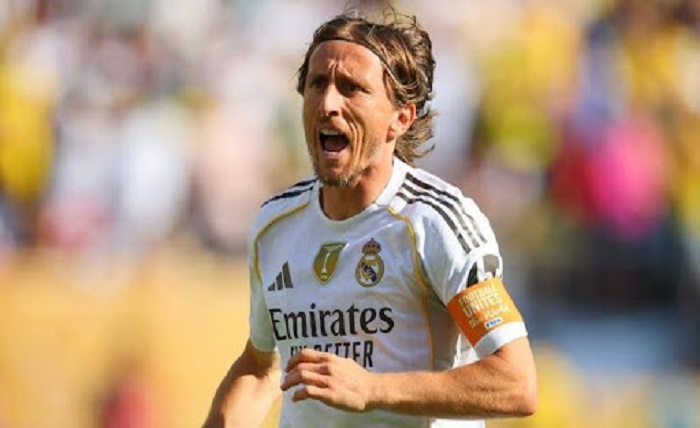
In the world of football, Luka Modrić stands out as a master of vision and precision. What many overlook is his early obsession with chess, a passion that shaped his tactical mind long before he stepped onto the professional stage. Today, fans on XoilacTV can witness the outcome of those years of mental training whenever he directs play from midfield.
Early life of Luka Modrić and his unexpected passion
Luka Modrić’s childhood was shaped by both hardship and discovery. Growing up in war-torn Croatia, he found himself turning to activities that demanded both focus and calm. Football was the obvious outlet, but another game quietly influenced his mindset.
Luka Modrić and his hard early years
Growing up in war-torn Croatia and finding comfort in games
During the turbulent 1990s, Modrić and his family lived through challenges that demanded resilience. Amidst this backdrop, games became more than just entertainment. They offered him a sense of structure and stability when everything around him felt uncertain.
How chess entered his childhood routine alongside football
Chess soon became part of his daily routine. He would spend hours over a board, thinking through positions and weighing moves carefully. Football remained his dream, but chess served as a mental companion that strengthened his ability to plan and adapt.
The mental discipline chess gave him at an early age
From chess, Modrić learned patience, self-control, and the discipline of thinking several steps ahead. These were lessons that went beyond the board. They prepared him for a life where small decisions could change the outcome of an entire match.
The chessboard as a training ground for football vision
When Modrić transitioned from playground games to structured football training, the lessons of chess did not fade. Instead, they merged with his love of the ball, influencing the way he approached every phase of the game.
Lessons of foresight and anticipation learned from chess
In chess, foresight is everything. Each move carries consequences, and Modrić absorbed this logic early. On the pitch, he developed an uncanny ability to anticipate how a play would unfold. Long before the ball reached him, he already knew his next option.
The ability to read opponents like pieces on a board
Opponents became pieces on a living board. Just as in chess, Modrić studied positioning, predicting not only where players stood but where they were likely to move next. This awareness allowed him to dictate play with remarkable ease.
Decision-making under pressure and strategic patience
A midfield battle often comes down to composure. Chess had trained Modrić to keep calm under pressure, waiting for the right moment to strike. On the pitch, this translated into holding the ball when necessary or releasing it with precise timing.
Read Next: Link Cakhia TV watch today’s football schedule
How chess sharpened his spatial awareness on the pitch
The board is all about patterns and spaces, and Modrić carried that visualization into football. He mastered the art of seeing passing lanes others overlooked. This spatial awareness became one of his defining traits, setting him apart from average midfielders.
Modrić’s chess-influenced playing style on the field

Smart and calculated, that’s Luka Modrić
As his career developed, Modrić’s influence grew. Analysts and teammates often described his style as calm, calculated, and intelligent. The comparison to a chess player directing the board was not far from the truth.
Movement across midfield like orchestrating pieces
Each run across the midfield resembled a careful move on a chessboard. Modrić never wasted energy. His movement connected defense with attack, always with the awareness of how to balance the field.
Using anticipation to dominate passing and positioning
His passes rarely relied on chance. Instead, they were born from anticipation. Modrić often delivered the ball into spaces where teammates had not yet arrived, confident they would reach it because he had already read the game’s rhythm.
Comparisons with other footballers influenced by strategy games
While many players rely on instinct, Modrić stands closer to athletes influenced by deeper strategy. Comparisons have been made to basketball playmakers or quarterbacks in American football. Each role requires vision shaped by planning, much like the mindset chess instills.
Why Modrić’s football intelligence is often described as “chess-like”
Commentators frequently use the term “chess-like” when analyzing his football intelligence. This is not coincidence. His ability to slow the game in his mind, consider multiple outcomes, and then choose the right move mirrors a player controlling the pace of a chess match.
Conclusion
Luka Modrić’s journey from a child absorbed in chess to a maestro in football demonstrates the link between mental discipline and sporting brilliance. The board taught him patience, foresight, and control, qualities now visible every time he commands the midfield. His story shows that even a simple childhood obsession can shape the vision of a world-class athlete.