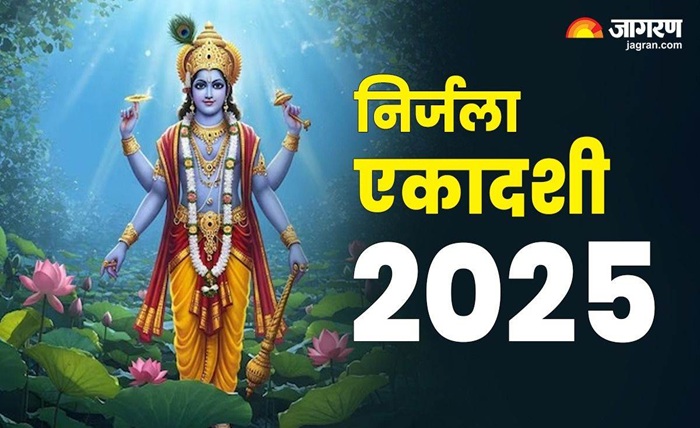
Gyaras kab hai is a question that many devotees and festival enthusiasts often ask. Gyaras, also known as Prabodhini Ekadashi, is celebrated on the 11th day of the bright fortnight in the Hindu month of Kartik. This day holds spiritual significance and is considered highly auspicious for fasting, prayers, and devotional activities. Every year, millions of people wonder gyaras kab hai to plan their celebrations, temple visits, and religious observances. Understanding the exact date of Gyaras helps devotees maintain their religious practices and spiritual routines effectively.
Historical Significance of Gyaras Kab Hai
To know gyaras kab hai, it is important to understand why this day is celebrated. Gyaras is deeply rooted in Hindu mythology and is associated with Lord Vishnu. According to legends, observing Gyaras fasts and rituals brings prosperity, peace, and spiritual growth. Devotees believe that gyaras kab hai marks the day when Lord Vishnu wakes from his cosmic sleep, known as Chaturmasya Upaavas, making it one of the most revered days in the Hindu calendar. The history behind this festival gives a spiritual context, making the question gyaras kab hai meaningful for everyone following Hindu traditions.
How to Determine Gyaras Kab Hai
Many people ask gyaras kab hai because the date changes every year according to the Hindu lunar calendar. Gyaras falls on Ekadashi, which is the 11th day of the waxing moon (Shukla Paksha) in Kartik month. The easiest way to determine gyaras kab hai is to consult a Panchang (Hindu calendar) or follow online resources that list festival dates according to the lunar cycle. Since the lunar calendar differs from the Gregorian calendar, asking gyaras kab hai every year is essential to ensure that devotees fast and celebrate on the correct day.
Rituals and Traditions Observed on Gyaras
When people search gyaras kab hai, they are often also interested in the rituals associated with this day. Devotees wake up early, take a holy bath, and offer prayers to Lord Vishnu and other deities. Observing a fast and visiting temples are common practices. In some regions, people perform charity, feed the poor, and engage in spiritual activities. Knowing gyaras kab hai allows devotees to plan these rituals properly and participate in religious events, ensuring the festival is observed with devotion and authenticity.
Regional Celebrations of Gyaras Kab Hai
Different regions of India celebrate Gyaras in unique ways. For example, in Maharashtra, temples are beautifully decorated, and special pujas are conducted. In North India, the focus is on fasting, singing bhajans, and organizing community prayers. Asking gyaras kab hai helps people from various states synchronize their celebrations according to their local customs. Regional differences make this festival culturally rich and spiritually significant, emphasizing why knowing gyaras kab hai is important for devotees across India.
Significance of Fasting on Gyaras
Fasting on Gyaras is one of the most important aspects of the festival. Devotees believe that observing the fast purifies the mind and body and brings them closer to Lord Vishnu. The question gyaras kab hai is crucial because the fast must be observed on the correct Ekadashi date. On this day, people often consume only fruits, milk, and light vegetarian meals. Fasting during Gyaras is also said to remove sins and bring prosperity, making it essential to know gyaras kab hai to follow the spiritual practices accurately.
Modern Relevance of Gyaras Kab Hai
Even in modern times, people continue to ask gyaras kab hai to align their schedules with spiritual practices. With busy lives and hectic work routines, knowing the date of Gyaras helps in planning temple visits, family gatherings, and community celebrations. Online calendars, apps, and notifications have made it easier for devotees to track gyaras kab hai. This modern approach ensures that traditional practices continue to thrive while accommodating contemporary lifestyles.
Conclusion
In summary, gyaras kab hai is more than just a date—it is a spiritual event with historical, cultural, and religious significance. Knowing gyaras kab hai allows devotees to participate in rituals, fasting, and celebrations correctly. This festival strengthens faith, promotes community bonding, and brings spiritual fulfillment. By marking the date, understanding the rituals, and following traditions, everyone can experience the blessings of Gyaras in its true essence.
FAQs
1. Gyaras kab hai in 2025?
Gyaras in 2025 falls on the 11th day of the Kartik month, according to the Hindu lunar calendar. Checking a Panchang will give the exact date.
2. Why is Gyaras celebrated?
Gyaras is celebrated to honor Lord Vishnu and mark his awakening from cosmic sleep, making it a spiritually significant day.
3. What are the main rituals on Gyaras?
Devotees observe fasting, perform puja, visit temples, sing bhajans, and engage in charity on Gyaras.
4. Can I eat normally on Gyaras?
Traditionally, devotees fast or consume only vegetarian meals like fruits and milk to honor Lord Vishnu on Gyaras.
5. Does Gyaras have regional variations?
Yes, Gyaras is celebrated differently in various states, with Maharashtra focusing on temple rituals and North India emphasizing fasting and bhajans.