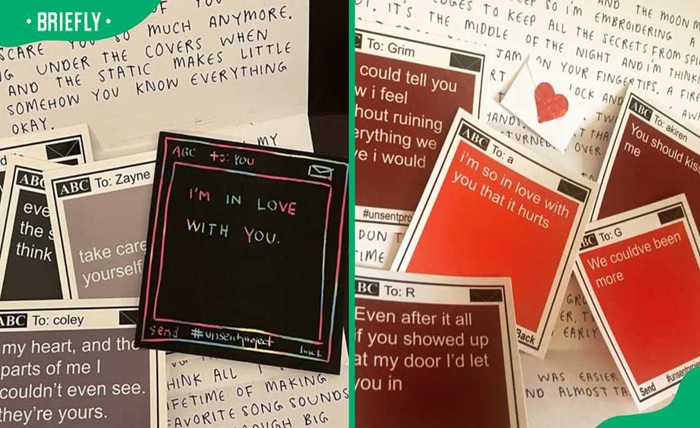
The Unsent Project is a global emotional art movement that collects anonymous text messages people never sent to someone they loved, lost, or left behind. The core idea behind the unsent project is simple yet powerful:everyone has words they never said, messages typed but deleted, and feelings buried deep inside. By providing a platform for these unsent messages, the unsent project gives voice to emotions that often remain hidden in everyday life.
What makes the unsent project truly impactful is its universality. No matter your age, culture, or background, the experience of unsent words is something almost everyone understands. Messages shared in the unsent project range from heartbreak and regret to love and healing, showing how deeply connected human emotions are across the world.
The Origin and Creator Behind The Unsent Project
The Unsent Project was created by artist Rora Blue, who wanted to explore how people communicate emotions they never express directly. The inspiration behind the unsent project came from a simple question: What would you say to your first love if you could say anything? This question sparked a movement that would later grow into one of the most emotionally resonant digital art collections online.
Since its creation, the unsent project has received millions of submissions from people across different countries. The creator intentionally keeps contributors anonymous, allowing honesty without fear of judgment. This anonymity is a key reason why the unsent project feels so raw, real, and emotionally intense for both contributors and readers.
How The Unsent Project Collects and Displays Messages
The Unsent Project allows users to submit messages anonymously through its website, often addressed to a first love or significant person. These messages are typically short but emotionally powerful, capturing feelings that were never communicated. Every message submitted to the unsent project becomes part of a growing archive of shared human experience.
One unique aspect of the unsent project is its color-coded system, where contributors select a color that represents their emotions. This visual element adds depth and symbolism, transforming the unsent project from a simple message board into an interactive emotional artwork. Each message, color, and word contributes to the emotional landscape of the unsent project.
Emotional Themes Found in The Unsent Project
The emotional range found in the unsent project is vast and deeply relatable. Messages often revolve around love, heartbreak, grief, regret, forgiveness, and hope. Reading through the unsent project feels like stepping into the collective subconscious of humanity, where emotions are expressed without filters or expectations.
Many people find comfort in the unsent project because it validates feelings they thought were unique to them. Seeing similar emotions expressed by strangers helps readers realize they are not alone. This emotional resonance is what makes the unsent project not just an art project, but a shared healing experience for millions.
Why The Unsent Project Resonates With a Global Audience
The Unsent Project resonates globally because it captures something deeply human: the inability to always say what we feel. Language barriers disappear within the unsent project, as emotions transcend words. Whether the message is written in anger, love, or sorrow, the emotional truth behind the unsent project remains universal.
Social media has also played a significant role in the popularity of the unsent project. Screenshots of messages are often shared on platforms like Instagram and TikTok, where users connect with the raw honesty displayed. This sharing culture has helped the unsent project evolve into a worldwide emotional movement rather than just an online archive.
The Psychological Impact of Reading The Unsent Project
Reading the unsent project can be emotionally intense, but it often leads to self-reflection and healing. Psychologically, the unsent project allows readers to process unresolved emotions by seeing them expressed externally. This indirect emotional release can feel therapeutic, even without direct participation.
For contributors, submitting a message to the unsent project can act as emotional closure. Writing what was never said allows people to acknowledge feelings instead of suppressing them. Mental health professionals often note that expressive writing, like that used in the unsent project, can help reduce emotional stress and increase self-awareness.
The Unsent Project as Modern Digital Art
The Unsent Project is widely recognized as a form of modern digital art that blends emotion, language, and design. Unlike traditional art forms, the unsent project relies on audience participation to exist. Every new message transforms the artwork, making it dynamic and ever-changing.
Museums, galleries, and educational institutions have acknowledged the unsent project for its innovative approach to emotional storytelling. By combining anonymity, minimalism, and vulnerability, the unsent project challenges traditional definitions of art and demonstrates how digital platforms can carry deep emotional weight.
Conclusion
The Unsent Project continues to grow because it fulfills a fundamental human need: to be heard, even anonymously. In a world where communication is constant yet often superficial, the unsent project offers depth, honesty, and emotional truth. It reminds us that unsaid words still matter, and emotions deserve space.
As long as people continue to experience love, loss, and longing, the unsent project will remain relevant. It stands as a powerful reminder that sometimes, the most meaningful messages are the ones never sent—but finally shared.
FAQs
What is the main purpose of the unsent project?
The main purpose of the unsent project is to give people a space to express emotions they never communicated, turning silence into shared understanding.
Is the unsent project anonymous?
Yes, the unsent project is completely anonymous, allowing contributors to share honest emotions without revealing their identity.
Can anyone submit a message to the unsent project?
Anyone can submit a message to the unsent project, regardless of age, location, or background.
Why are colors used in the unsent project?
Colors in the unsent project represent emotions, adding visual symbolism to each message and deepening emotional impact.
Is the unsent project considered art or therapy?
The Unsent Project is considered digital art, but many people experience therapeutic benefits from reading or contributing to it.